
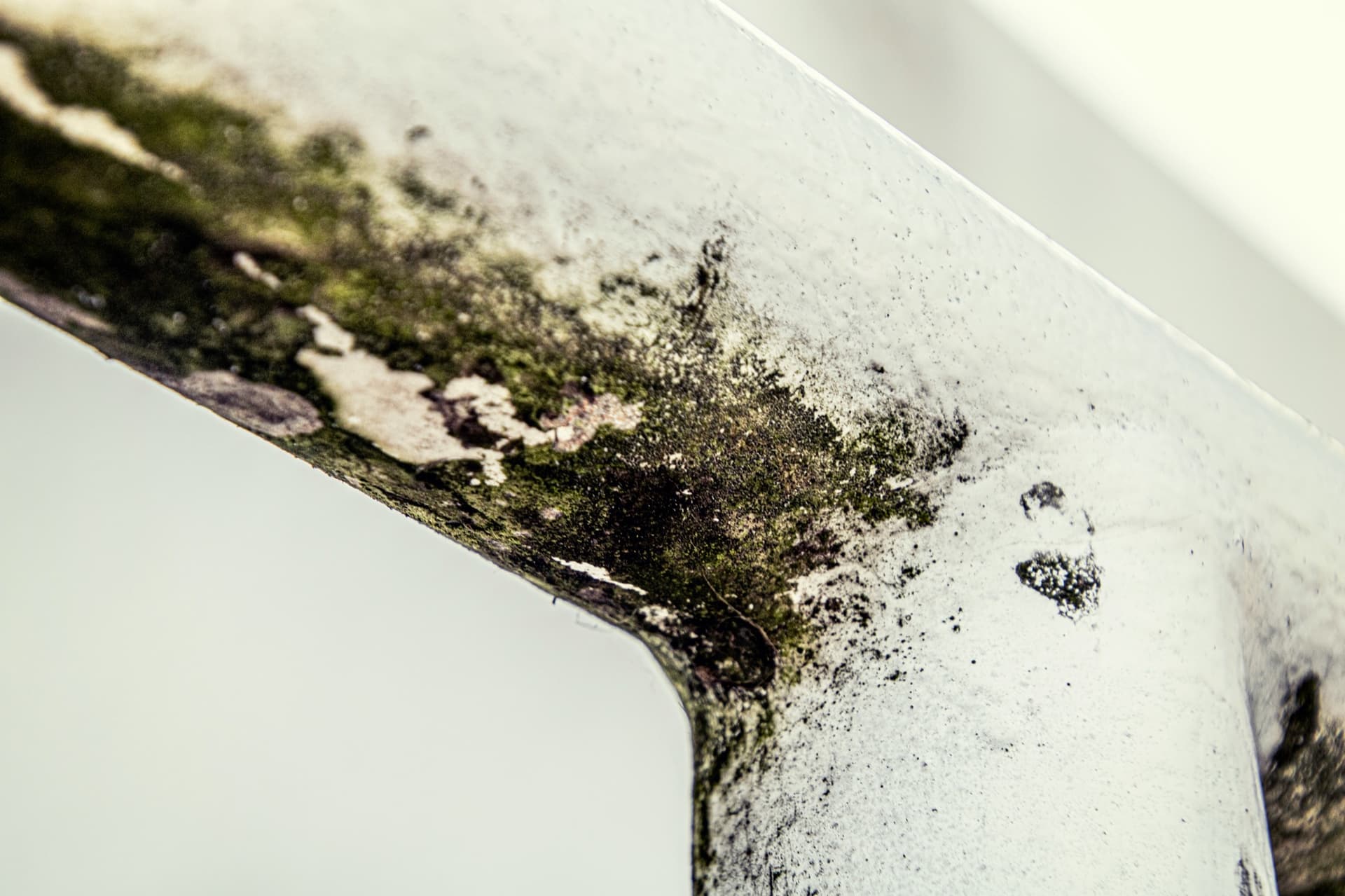
Most people think of mold as something visible — a dark patch in a shower corner or discoloration on a ceiling tile. Visible mold is a problem, but it's also the easiest to identify. The harder situation is mold growing somewhere you can't see: inside wall cavities, beneath flooring, in crawl spaces, or behind insulation. That's where significant indoor mold problems actually tend to live.
The Smell Is a Real Signal
Mold produces microbial volatile organic compounds (mVOCs) as a metabolic byproduct. These gases have a characteristic musty, earthy odor — often described as similar to wet soil or old books. If a room, basement, or closet has a persistent musty smell that doesn't resolve with ventilation, mold is the most likely explanation.
The smell is typically strongest in the morning or after a space has been closed for several hours. If you're smelling it in a finished basement or in a closet on an exterior wall, suspect the wall cavity behind it.
Visual Clues That Aren't the Mold Itself
Mold inside walls often signals its presence through surface materials before it becomes visible:
- Paint bubbling, peeling, or lifting from drywall — moisture is present behind the wall
- Water stains on walls or ceilings, even old ones that appear dry — indicates a prior or ongoing moisture intrusion
- Efflorescence (white, chalky mineral deposits) on concrete or masonry — water is moving through the material
- Warped, buckled, or cupped wood flooring — moisture in the subfloor
- Grout discoloration or persistent mildew around bathroom fixtures, kitchen tile, or laundry areas
Any of these indicate a moisture problem. Where there's sustained moisture in an organic material, mold growth follows — the question is only how much and where.
Health Patterns Worth Noting
Mold sensitivity varies significantly by individual. But a pattern of symptoms correlated with time spent in a specific space is worth taking seriously:
- Allergy-like symptoms (runny nose, sneezing, itchy eyes) that improve after a few days away from home
- Respiratory symptoms — coughing, wheezing — that are worse at home and better elsewhere
- Recurring headaches or fatigue that clear noticeably when traveling
- Symptoms that are worst in specific rooms: basements, a particular bedroom, or rooms on exterior walls
These aren't diagnostic — other causes are possible. But the pattern of location-specific, time-correlated symptoms is a reliable signal that the source is environmental.
Where Mold Hides in New England Homes
- Attic roof decking and sheathing — inadequate ventilation, bathroom exhaust fans venting into the attic rather than outside, and air sealing failures allow humid air to condense on cold roof decking. This is one of the most common hidden mold locations in the region.
- Basement and crawl space framing — unfinished basements and crawl spaces with exposed soil and no vapor barrier create persistent humidity.
- Inside exterior wall cavities — moisture enters from outside through failed flashing, missing caulk around windows, or penetrations, and from interior air movement into cold wall cavities during heating season.
- Behind bathroom and kitchen tile — failed grout and caulk allow water to reach the substrate (drywall or cement board) where mold grows unseen.
- HVAC ductwork — condensation inside supply ducts, common in humid summers, creates a growth surface that distributes spores throughout the home.
When to Test, When to Act
If you can see mold covering less than ten square feet on a non-porous surface, the EPA's guidance is that a homeowner can typically address it with appropriate PPE and EPA-registered antimicrobial cleaners. Document, treat, and address the underlying moisture source.
If the area is larger, if it's in an HVAC system, if you suspect hidden mold but can't locate it, or if anyone in the home has a compromised immune system or significant sensitivity — professional testing is the right next step. Air cassette sampling identifies which species are present and at what concentrations compared to an outdoor control. Surface sampling confirms growth at suspected locations.
Testing before remediation documents the problem. Testing after documents that remediation was successful. Both matter — especially for real estate transactions, insurance claims, or situations where you need to demonstrate resolution.
NERD pairs every job with Tramex moisture mapping and a written report of findings; where mold sampling is needed, it is collected by an independent certified assessor and analyzed by an EMSL-accredited lab.
Mold Remediation →