
Rapid response water extraction, drying, and structural restoration to prevent secondary damage.
Water damage is time-sensitive — every hour without proper drying increases the risk of mold, structural deterioration, and permanent loss. Our team responds fast with professional-grade extraction equipment, industrial air movers, and dehumidifiers to dry your property thoroughly and efficiently. We document everything for insurance and restore your space to pre-loss condition.
Request a Consultation →Why Choose NERD
- Local team based in Epping — phones Mon–Fri, 9am–5pm
- Insurance documentation and claim support
- Prevents secondary mold growth
- IICRC S500-compliant drying protocols
- Full structural restoration capability
Our Process
Emergency Response
We mobilize quickly to minimize damage and begin water extraction immediately.
Moisture Mapping
Tramex meters and thermal imaging identify all affected materials, including hidden moisture.
Extraction & Drying
Truck-mounted extractors remove standing water; air movers and desiccant dehumidifiers dry structural materials.
Monitoring
Daily moisture readings track drying progress to ANSI/IICRC S500 standards.
Restoration
Once dry, we repair or replace damaged materials and return your space to normal.
The first day sets the final bill
Water damage costs scale with time, not just volume. In the first hours you are dealing with water. After a day or two you are dealing with saturated building materials. Past roughly forty-eight hours in a warm space you are often dealing with mold as well, which turns a drying job into a remediation job and multiplies the scope. This is why the useful thing to do in hour one is not to research contractors — it is to stop the water at the source, kill power to affected areas if it is safe to reach the panel, and start moving water out.
Drying is measured, not eyeballed
A surface can feel dry while the framing behind it is still holding significant moisture. Proper structural drying means mapping the affected area with moisture meters, setting air movers and dehumidification to match the volume and the material, and then taking readings over multiple days until materials reach a documented target. Renting a few fans is not the same process. The most common failure we are called in to correct is a space that was dried until it looked fine, closed up, and started smelling musty three weeks later.
Documentation your insurer can actually use
Insurance conversations go better when there is a record. We document the initial condition, moisture readings over the course of drying, what equipment ran where and for how long, and the final verified state. Whether or not you file a claim, that record is also what protects you later — with a buyer, a tenant, or anyone who asks what happened in that basement. We are not public adjusters and we do not negotiate claims on your behalf, but we give you the documentation the process requires.
When to call about water damage
- Standing water anywhere, from any source
- Carpet, pad, or subfloor that is wet or has been wet
- A water stain that is still growing, or one that reappears after drying
- Flooring that is buckling, cupping, or lifting at the seams
- A musty smell that started after a leak, storm, or appliance failure
- Any sewage backup — that is a containment situation, not a mop-up
Water Damage Remediation: common questions
What should I do in the first hour after a leak?
Stop the water at its source if you can safely reach a shutoff. If water is anywhere near outlets or panels, cut power to that area only if the panel is dry and safe to reach — otherwise wait. Move what you can off wet flooring, especially anything porous. Photograph everything before you start cleaning up, because that first set of photos is often the most useful documentation in the whole process. Then call.
Will homeowners insurance cover water damage?
It depends on the cause. Sudden and accidental events like a burst pipe or an appliance failure are commonly covered. Gradual leaks that went unnoticed, and groundwater or surface flooding, frequently are not — flooding usually requires separate flood coverage. Policies vary substantially, so the only reliable answer comes from reading yours or asking your agent. What we can do is document the loss thoroughly so the claim is evaluated on complete information.
How long does structural drying take?
Three to five days is typical for a contained residential loss. Dense materials like hardwood, plaster, and masonry take longer, and a space with poor air circulation takes longer still. We take readings throughout rather than working to a fixed schedule, because the goal is a measured moisture content, not a number of days.
Can I just run fans and a dehumidifier myself?
For a small, quickly caught spill on a hard surface, often yes. The risk with a larger loss is that consumer equipment does not move enough air or pull enough moisture to dry the inside of the assembly — so the surface dries, the framing does not, and the problem reappears as odor or growth weeks later. If water got under flooring, into walls, or sat for more than a day, that is where the equipment difference matters.
What happens if it is not dried properly?
Three things, usually in order: odor, then visible mold on or behind surfaces, then material degradation — swollen subfloor, delaminated plywood, failed drywall, corroded fasteners. The remediation cost at that point is consistently higher than doing the drying correctly the first time.
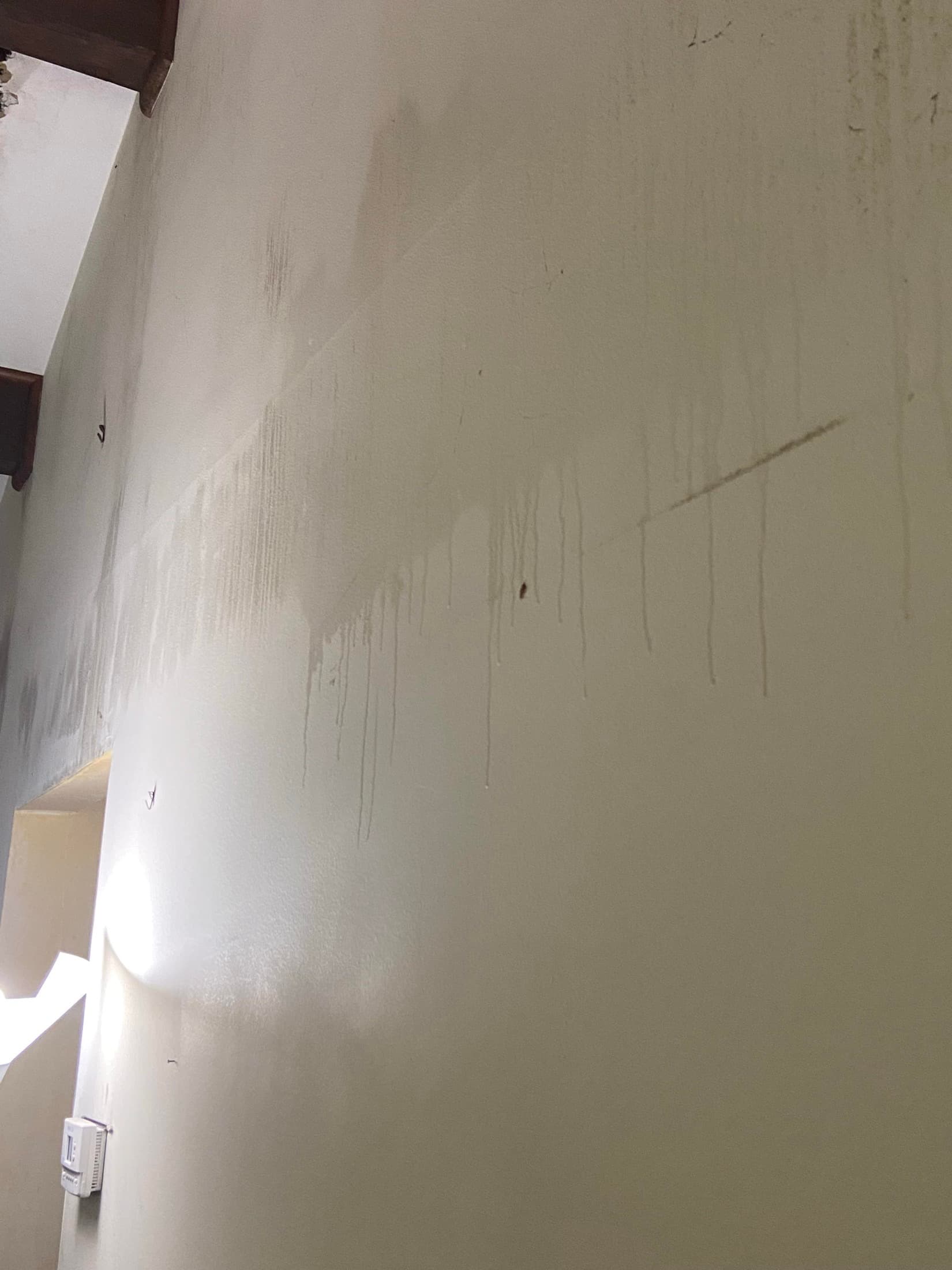
What to Do in the First 24 Hours After Water Damage
RestorationEvery hour counts after a water intrusion event. Learn the steps to take immediately to minimize damage and prevent mold growth.
Read more →Ready to get started?
Contact us today to schedule a consultation or request an estimate for Water Damage Remediation.