
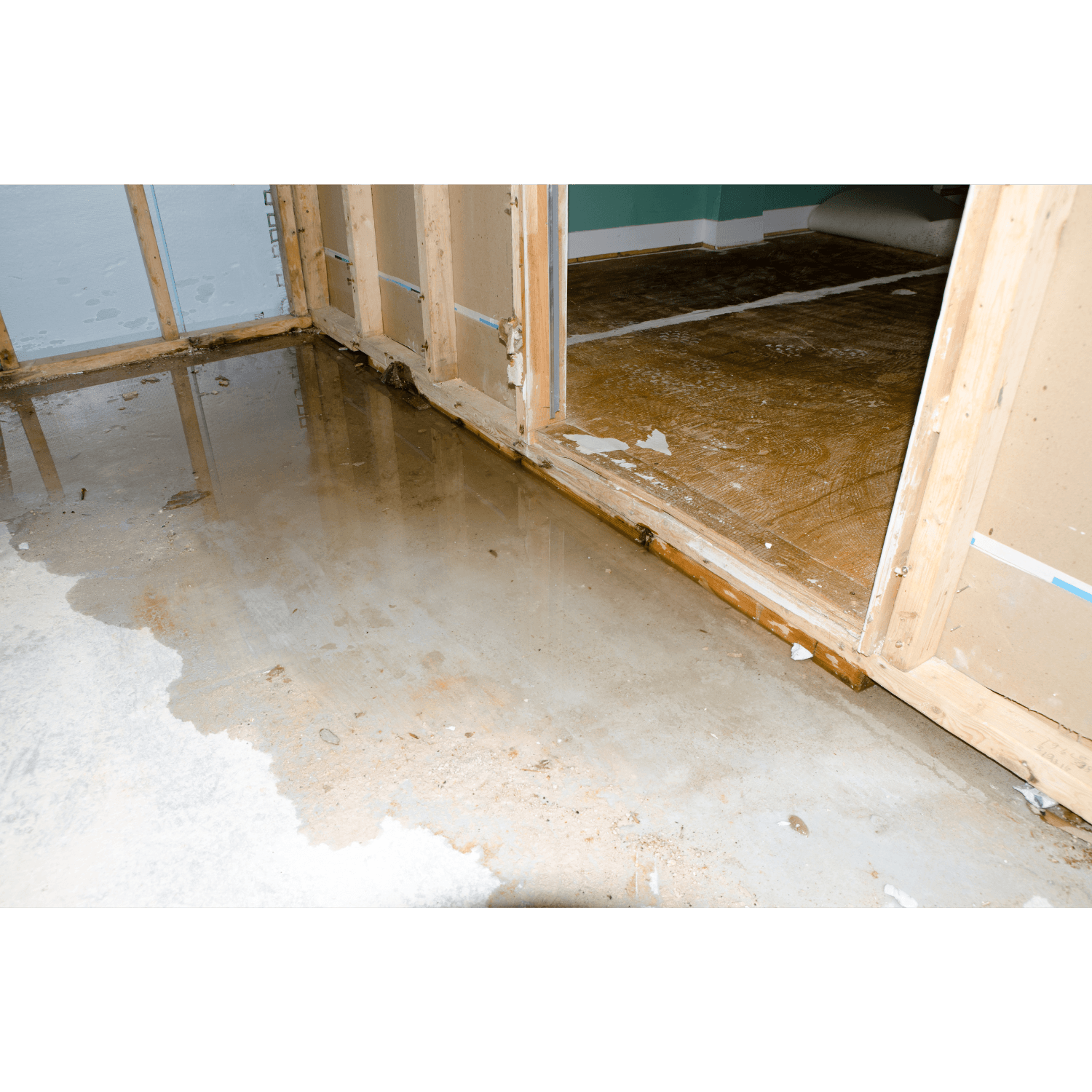
Water damage is one of the most frequently filed homeowners claims, and one of the most frequently disputed. The disputes usually come down to two questions: was the damage sudden or gradual, and can you prove what the condition actually was.
This is general information, not insurance advice. Policies differ substantially and only your policy language and your agent can tell you what you are covered for. We document losses thoroughly — we are not public adjusters and do not negotiate settlements.
The sudden-versus-gradual line
Most homeowners policies are built around sudden and accidental events. A supply line that bursts, a water heater that fails, a washing machine hose that lets go — these are typically covered, because they happened at a moment rather than over a season.
What is commonly excluded is gradual damage: the slow drip under a sink that rotted the cabinet base over two years, the roof that has been leaking a little since the last storm, deferred maintenance generally. The reasoning from the insurer's side is that these were preventable through normal upkeep. This is why a leak you have been meaning to deal with becomes both a bigger repair and a harder claim the longer it sits.
Flooding is a different policy entirely
Surface water — rising water, storm surge, overwhelmed drainage — is generally not covered by standard homeowners insurance at all. That requires separate flood coverage, commonly through the National Flood Insurance Program or a private equivalent. Coastal and river-adjacent properties across the Seacoast are exactly where this distinction bites, and plenty of homeowners discover the gap during the claim rather than before.
Mold coverage is usually limited
Mold occupies awkward ground. Many policies cover mold remediation only when it results directly from a covered water event, and even then frequently cap it with a sublimit — a specific dollar ceiling well below the policy limit. Mold that results from an excluded cause, like a gradual leak or flooding, typically is not covered at all.
The practical consequence: speed matters financially, not just structurally. A covered water loss that is dried properly within days stays a water claim. The same loss left wet long enough to grow mold can become a partially covered claim with a sublimit attached.
The documentation that decides the number
Claims are settled on evidence. The file that gets the best outcome usually contains:
- Photographs taken before anything was moved or cleaned — this is the single most valuable thing most homeowners fail to capture
- The date and time the damage was discovered, and when the insurer was notified
- A written scope from the restoration contractor describing affected materials and areas
- Moisture readings taken over the course of drying, showing the progression to a documented dry standard
- Receipts for anything purchased to mitigate further damage, which is frequently reimbursable
- A record of equipment used and how long it ran
Why claims get reduced
Three causes account for most of it.
Delayed notice
Policies generally require prompt notification. Waiting weeks gives the insurer a reasonable argument that damage worsened during the delay and that the additional damage is not their responsibility.
Thin documentation
If the only evidence is a few phone photos taken after cleanup started, the adjuster is estimating rather than assessing. Estimates without evidence tend to land low.
Failure to mitigate
Policies impose a duty to prevent further damage after a loss. Leaving a room wet for a week because you were waiting for an adjuster can jeopardize coverage for what grew during that week. You are generally expected to take reasonable steps immediately — which is also why mitigation receipts are reimbursable.
A realistic sequence
- 1Stop the water if you can do it safely, and photograph everything before touching anything.
- 2Call your insurer to report the loss. Ask specifically about your deductible and any mold sublimit.
- 3Get mitigation started — drying should not wait for the adjuster's calendar.
- 4Keep every receipt and every reading.
- 5Let the contractor and adjuster talk directly about scope. That conversation goes better with a documented file behind it.
We document water losses thoroughly — initial condition, moisture readings through drying, equipment logs, and final verified state — and hand you the whole file whether or not you file a claim.
Water Damage Recovery →