
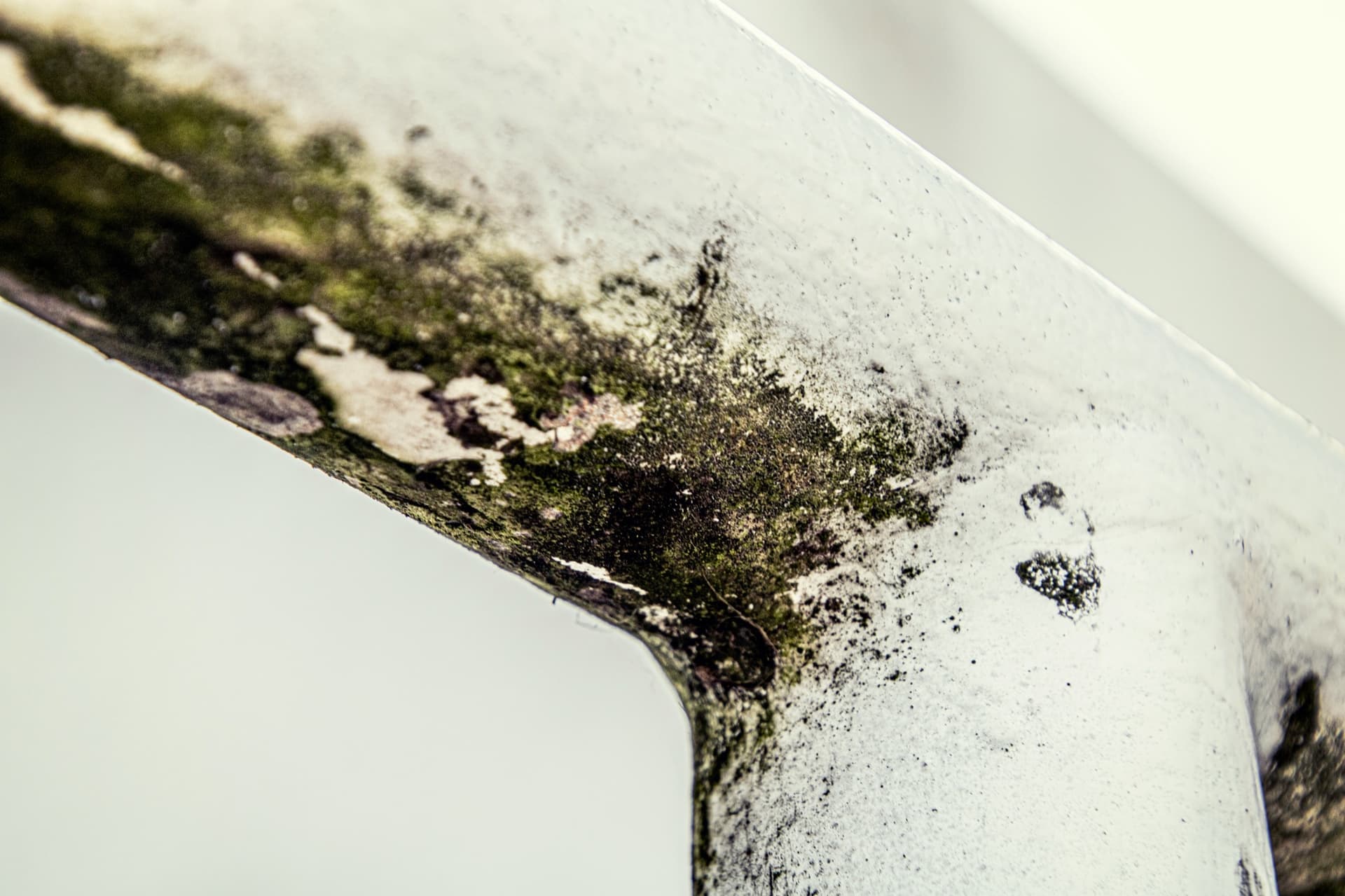
You paid for air sampling, and what came back is three pages of spore counts, Latin genus names, and a column of numbers with no obvious meaning. Most reports do not tell you what to do — they tell you what was measured. This is how to read one.
A quick note on who does what: sampling and interpretation are the work of a certified assessor, and that independence matters. NERD performs remediation — the removal and correction side. We are not the ones who should be grading the results of our own work, which is why we point clients to independent assessors for sampling and clearance.
The outdoor sample is the whole point
The first thing to find is the outdoor control sample. Mold spores exist everywhere — in the air outside your house right now, at counts that would look alarming out of context. An indoor number means nothing on its own. It only means something compared to outdoors.
Broadly: if indoor counts are similar to or lower than outdoor, and the same genera appear in both, that is generally a normal result. If indoor counts are substantially higher than outdoor, or if genera appear indoors that are absent outdoors, that suggests an indoor source. That comparison is the core of the whole document.
What the numbers mean
Air sample results are usually reported as spores per cubic meter of air. You will notice there is no legal threshold anywhere on the page — no line where the report declares a pass or fail. That is not an oversight. The U.S. has no federal standard for acceptable indoor mold levels, and reputable assessors will not invent one. Interpretation is comparative and contextual, which is exactly why the outdoor control exists.
The names that actually matter
You will see a list of genera. A few are worth understanding:
- Cladosporium — the most common outdoor mold in New England. Finding it indoors at levels near outdoors is usually unremarkable.
- Penicillium/Aspergillus — almost always reported as a combined group, because the spores of these two genera are nearly indistinguishable under a microscope. Elevated indoor counts here commonly indicate an indoor growth source.
- Stachybotrys — the one the internet calls 'black mold.' It needs sustained wetness on cellulose material, so finding it means there has been a real and ongoing water problem.
- Chaetomium — another water-damage indicator, frequently found alongside Stachybotrys on chronically wet drywall or wood.
- Alternaria, Basidiospores, Ascospores — typically outdoor-origin. High counts often just mean a window was open.
About 'toxic black mold'
Stachybotrys gets treated as a horror-movie villain, and it deserves a more measured description. It is a genuine water-damage indicator and it should be remediated properly. But the popular framing — that its presence constitutes a medical emergency — outruns what the science supports, and it is routinely used to sell panic-priced work. What is true and non-controversial: any mold growing indoors in quantity should be removed, the water feeding it should be corrected, and the removal should be done with containment so spores are not distributed through the rest of the building. That is the same answer regardless of genus.
Surface samples versus air samples
If your report includes tape lifts or swabs, those answer a different question. A surface sample tells you whether the stain you pointed at is mold and what kind. An air sample tells you what is circulating. A positive surface sample on visible growth is confirmation, not a surprise — if you can see it and it looks like mold, it usually is.
What to do with the report
- 1Find the water. Every mold result traces back to moisture. A report that identifies growth without identifying a water source is only half an answer, and remediation without correcting the source buys you months rather than years.
- 2Scope the work against the findings. The affected area in the report should match the containment and removal plan a contractor proposes. If a quote covers dramatically more or less area than the report supports, ask why.
- 3Insist on containment. Disturbing growth makes it airborne. Remediation without sealed containment and negative air pressure can turn one affected room into a whole-house problem.
- 4Plan for clearance if it matters. If you are a landlord, a seller, or dealing with someone experiencing symptoms, post-remediation verification by the same independent assessor closes the loop credibly.
When you did not need the report at all
Worth saying plainly: if you can see mold and you know where the water came from, sampling often does not change the plan. You already know you need it removed and the leak fixed. Sampling earns its cost when you suspect hidden growth you cannot locate, when someone is experiencing symptoms and you need to know what is airborne, or when you need documented before-and-after evidence. Anyone who tells you every situation requires testing first is selling tests.
Have a report and need the remediation side handled? We work across the New Hampshire Seacoast from Epping — containment, source correction, removal, and documented before-and-after readings you keep.
Mold Remediation →