
Targeted moisture control and odor elimination using advanced detection and treatment methods.
Persistent odors and unexplained dampness are almost always symptoms of a larger problem. Moisture intrusion, hidden mold, sewer gas, or building envelope failures can make a space uncomfortable and unhealthy. We use Tramex moisture meters, thermal imaging, and air quality monitoring to find the source and eliminate it — not just mask it.
Request a Consultation →Why Choose NERD
- Non-masking odor elimination
- Tramex moisture mapping technology
- Thermal imaging for hidden moisture
- Effective for pets, smoke, mold, and sewer odors
- Safe for occupied spaces with hydroxyl treatment
Our Process
Odor & Moisture Survey
We conduct a systematic assessment using moisture meters and thermal imaging cameras.
Source Identification
We trace odors and moisture to their origin, whether inside walls, under floors, or in the HVAC.
Remediation
Source materials are removed or treated; structural drying is performed where needed.
Hydroxyl & Ozone Treatment
Advanced odor neutralization using hydroxyl generators eliminates odors at the molecular level.
Verification
Post-treatment readings document that odors and elevated moisture have been resolved.
Odor is a symptom, not the problem
A smell that keeps coming back after cleaning is telling you something specific: the source is still there and it is somewhere you have not looked. Odor compounds are produced continuously by whatever is generating them — damp wood, contaminated subfloor, biological growth in an unreachable cavity, or a plumbing defect venting sewer gas into the building. Deodorizing without finding that source produces a few good weeks and then the smell returns, usually blamed on the treatment rather than on the fact that nothing was actually removed.
Finding water you cannot see
Most of the moisture that causes odor is invisible from the room. We locate it with moisture meters that read through finished surfaces and with thermal imaging that shows temperature differentials where evaporation is happening inside an assembly. That means we can distinguish a wall that is wet from a wall that was wet, and find the actual boundary of an affected area rather than guessing from a stain. It is the difference between opening one section of wall and opening the whole room.
Hydroxyl, ozone, and what each is for
Hydroxyl generators produce radicals that break down odor compounds and can generally run in occupied spaces, which makes them the right tool for homes and businesses that cannot be emptied. Ozone is more aggressive and genuinely effective for severe contamination, but it is not safe to occupy during treatment and requires a clearance period afterward — so it is for vacant spaces only. Anyone offering to ozone your occupied house while you are in it is doing something you should decline.
When to call about odor or moisture
- A smell that returns within weeks of a thorough cleaning
- A basement or crawlspace that smells musty regardless of season
- Pet odor that persists after carpet and pad have been replaced
- Smoke odor in a property after the smoker has moved out
- A sewer or sulfur smell, which can indicate a plumbing defect
- Damp or musty air coming from HVAC registers when the system runs
Moisture & Odor Removal: common questions
Why does the smell keep coming back?
Because the source is still producing it. Odor removal that treats only the air is temporary by definition — the compounds regenerate from whatever material is holding moisture or contamination. Durable odor removal means locating the source, removing or treating the affected material, and correcting whatever moisture is feeding it. The treatment step is the last one, not the only one.
What is the difference between hydroxyl and ozone treatment?
Hydroxyl treatment is slower but can generally be run in an occupied space, which makes it appropriate for homes and working businesses. Ozone is more aggressive and better suited to severe contamination, but the space must be vacant during treatment and needs a clearance period before reoccupancy. Which one is right depends on severity and whether the building can be emptied.
Can pet odor be removed from a subfloor?
Usually, yes — but not by cleaning the carpet. Urine penetrates through pad into subfloor and sometimes into framing, which is why replacing carpet alone so often fails. The work involves locating the affected area, treating or sealing the subfloor where appropriate, and then addressing the airborne component. If contamination has reached framing, some material removal may be necessary.
How long does odor treatment take?
Source work drives the timeline more than treatment does. Once the source is handled, a hydroxyl cycle commonly runs overnight to a couple of days depending on the size of the space and how severe the odor is. We take readings and reassess rather than running equipment for a fixed period and hoping.
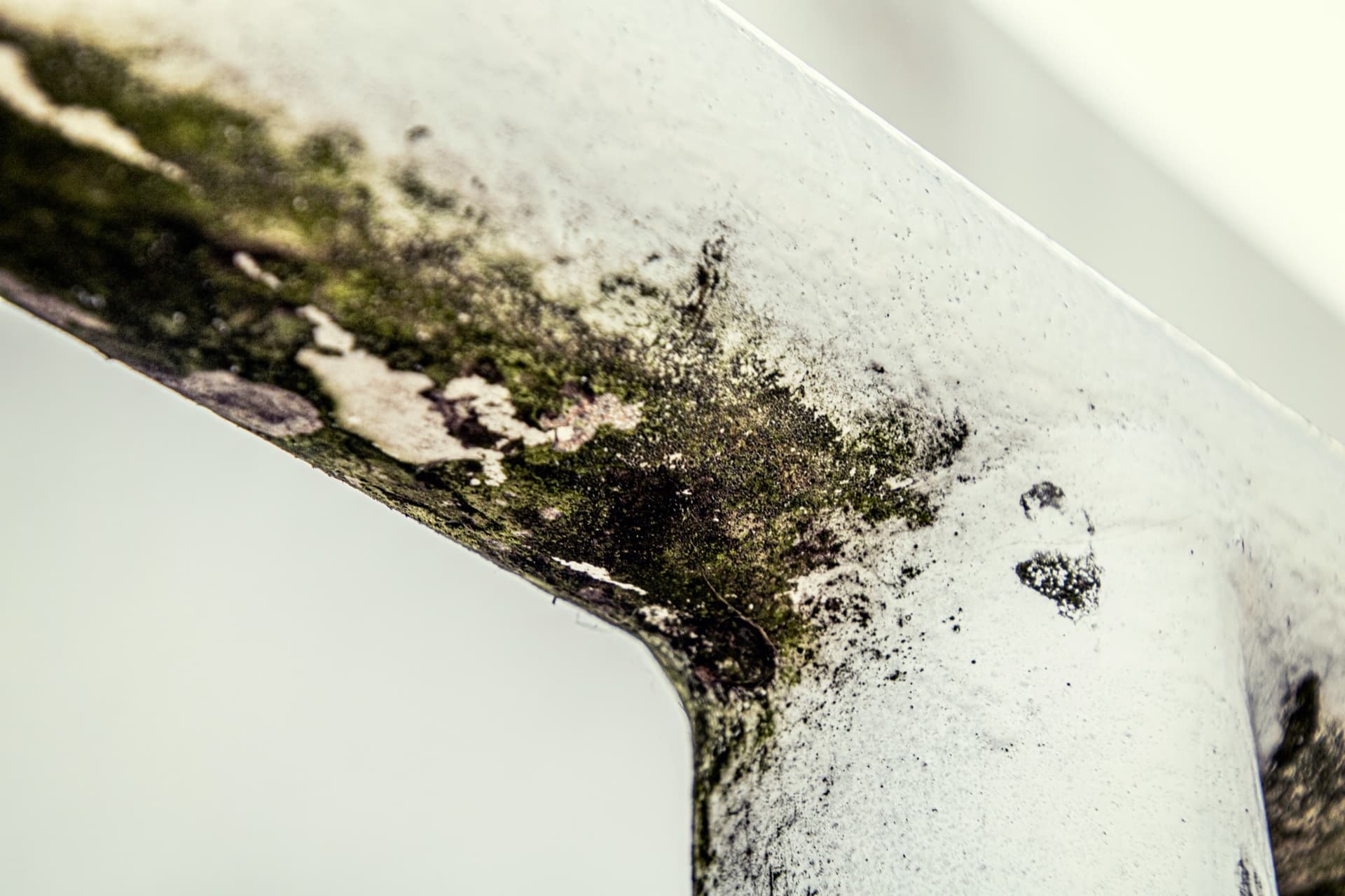
Hidden Mold: Signs Your Home May Have a Problem
MoldMold doesn't always show itself. Musty smells, unexplained allergy symptoms, and warped walls can all be signs of hidden mold growth.
Read more →Ready to get started?
Contact us today to schedule a consultation or request an estimate for Moisture & Odor Removal.