
Professional mold containment, removal, and full remediation — restoring your space to safe, healthy standards.
Mold is more than an eyesore — it's a health hazard that spreads fast and hides in places you can't see. Our technicians use industry-leading remediation methods to contain the spread, eliminate the source, and fully restore affected areas. We don't just clean the surface; we address the root cause so the problem doesn't come back.
Request a Consultation →Why Choose NERD
- Remediation follows IICRC S520 best practices
- Documented before-and-after results with every project
- Source identification — not just surface cleaning
- Full documentation for insurance or real estate
- Safe for families, pets, and building occupants
Our Process
Remediation Scoping
We evaluate the affected area using moisture meters and visual evaluation to define the scope of work.
Independent Air Sampling
Where sampling is needed, it is collected by an independent certified assessor and analyzed by an accredited lab — we never grade our own homework.
Containment
Affected areas are isolated with negative air pressure barriers to prevent cross-contamination.
Remediation
Mold is safely removed following IICRC S520 standards, including HEPA vacuuming and antimicrobial treatment.
Independent Clearance
Final clearance testing by an independent certified assessor confirms remediation was successful before containment is removed.
Mold is a moisture problem wearing a costume
Mold spores are already in every building in New England. They are harmless until they get water, and then they are not. That is why the single most important part of a remediation job happens before any cleaning: finding where water is actually entering. A roof leak, a failed supply line, a crawlspace with no vapor barrier, a bathroom fan venting into an attic — each produces the same visible result and needs a completely different fix. Cleaning growth without stopping the water buys you a few months, and the second round is always worse than the first because the material underneath has had longer to break down.
Why containment is not optional
Disturbing mold makes it airborne. Scrubbing a wall without containment can take a problem that was confined to one closet and distribute it through the whole house, including into the HVAC system where it gets a free ride to every room. Proper remediation isolates the work area with sealed barriers and negative air pressure, so air flows into the contained space and out through HEPA filtration rather than into your living room. It is slower and it costs more than wiping surfaces down, and it is the difference between fixing a problem and relocating it.
What you get when we leave
Every remediation ends with documentation: what we found, where the water came from, what was removed, what was treated, and before-and-after air quality readings. That file matters more than people expect. If you are a landlord, it is evidence of a prompt and effective response. If you are selling, it answers the question a buyer's agent will ask. If you are filing an insurance claim, it is the record the adjuster needs. Where independent clearance testing is called for, that is collected and analyzed by a certified third-party assessor — we do not grade our own homework.
When to call about mold
- A musty smell you cannot find the source of — odor usually shows up before growth is visible
- Visible growth larger than roughly ten square feet, or any growth inside an HVAC system
- Mold that came back after someone already cleaned it
- Condensation collecting on windows, pipes, or exterior walls through the winter
- Any flooding, sewage backup, or leak that stayed wet longer than about 48 hours
- A basement or crawlspace that smells different in summer than in winter
Mold Prevention and Remediation: common questions
How much does mold remediation cost in New Hampshire?
Most residential jobs in this market land somewhere between roughly $1,200 and $3,750, and whole-house or structural work runs higher. The spread is driven by how much material has to come out, whether the affected area is accessible, and what it takes to fix the water source — a contained bathroom job is very different from a crawlspace that has been wet for two seasons. We quote after seeing the space, because square footage alone does not tell you what the job actually is.
Can I just clean it myself with bleach?
For a small patch on a hard, non-porous surface like tile or glass, household cleaning is often reasonable. Bleach is a poor choice on porous materials such as drywall, wood, or insulation: the water carries deeper into the material while the chlorine stays on the surface, so you can end up feeding the problem. And for anything larger than a small patch, cleaning without containment risks spreading spores through the rest of the building.
Do I need air sampling before remediation?
Not always. If growth is visible and the water source is identifiable, sampling often does not change the plan. Sampling is genuinely useful when you suspect hidden mold you cannot locate, when someone in the building is experiencing symptoms, or when you need documented clearance afterward. In those cases samples are collected and analyzed by an independent certified assessor rather than by us, which also means the verification is not coming from the company that did the work.
How long does remediation take?
A contained single-room job is often one to three days. Larger areas, or jobs where the water source requires repair before remediation can finish, take longer. Drying time is usually what sets the schedule rather than the removal itself — materials have to reach a measured moisture content before anything gets closed back up.
Will the mold come back?
Only if the water does. That is why we spend time on the source rather than just the symptom. If a remediated area regrows, it nearly always means moisture is still arriving — a leak that was missed, a drainage issue, or humidity that was never brought under control.
Mold Prevention and Remediation across the Seacoast
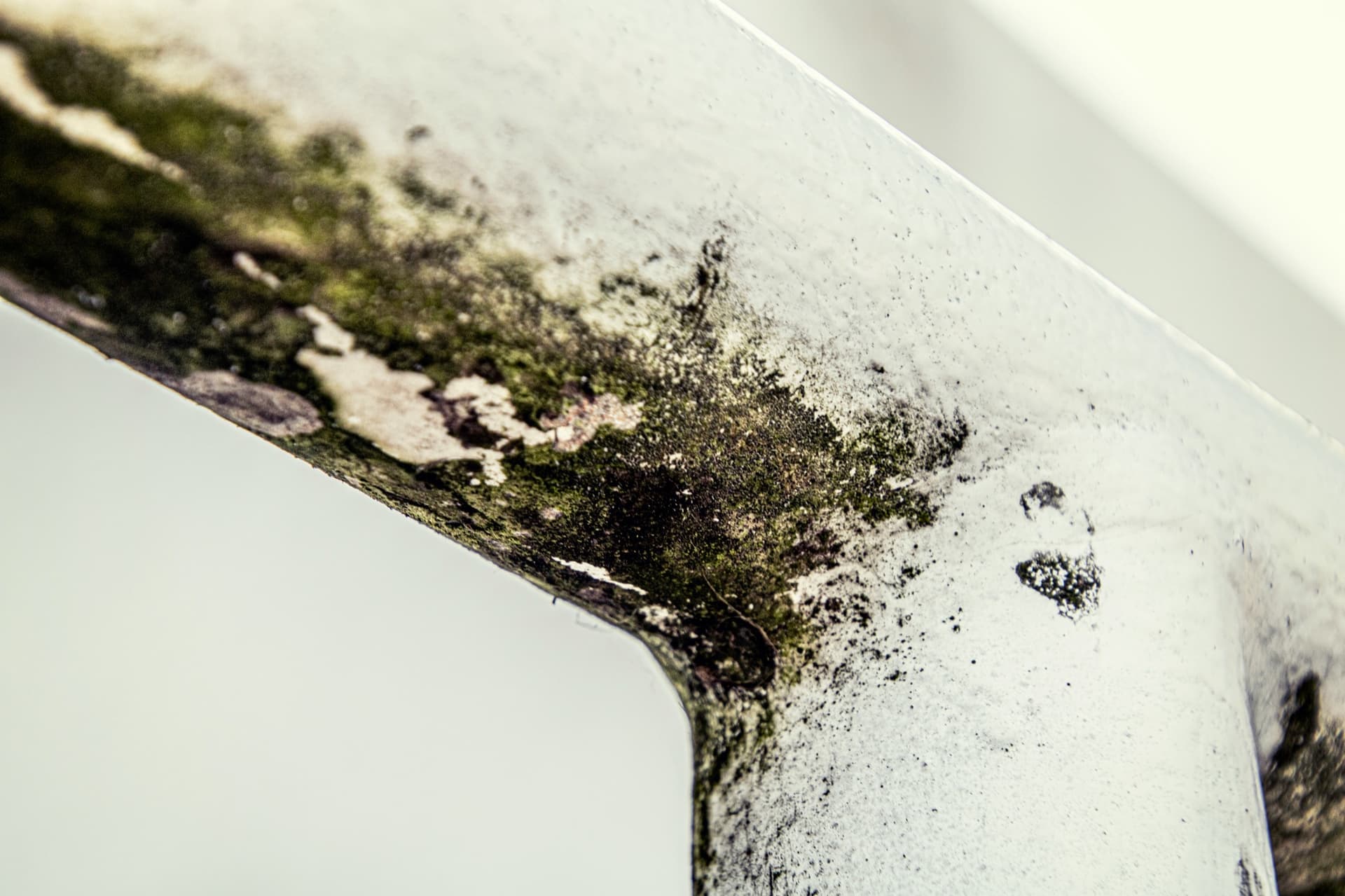
Hidden Mold: Signs Your Home May Have a Problem
MoldMold doesn't always show itself. Musty smells, unexplained allergy symptoms, and warped walls can all be signs of hidden mold growth.
Read more →Ready to get started?
Contact us today to schedule a consultation or request an estimate for Mold Prevention and Remediation.