
Storm response and restoration — from roof leaks and ice dams to flooding and wind-driven water intrusion.
Storm damage gets worse by the hour. From roof intrusions and window failures to basement flooding and ice damming, the first job is stopping further water from getting in — because three more days of intrusion costs far more than the original event. We secure the building, extract and dry what got wet, and document the whole loss thoroughly so your adjuster is working from evidence rather than phone photos.
Request a Consultation →Why Choose NERD
- Prompt response to storm damage
- Insurance documentation and coordination
- Roof, window, and structural repair
- Prevents secondary mold and moisture damage
- One contractor from emergency to completion
Our Process
Emergency Securing
We tarp roofs, board windows, and pump standing water to prevent further damage.
Damage Documentation
Thorough photo and written documentation supports your insurance claim.
Water Extraction & Drying
All moisture is extracted and monitored to prevent mold growth.
Scope Review
We walk the affected areas, map where water traveled, and flag anything that needs a licensed engineer or roofer before restoration begins.
Restoration
We handle the interior recovery — drying, removal, rebuild, and finish work — and coordinate with specialty trades for structural or roofing scopes.
Securing the building comes before repairing it
After a nor'easter or a wind event, the first priority is not restoration — it is stopping further water from getting in. A compromised roof or a failed window will keep admitting water with every hour of ongoing weather, and the interior damage from three days of intrusion is dramatically worse than from the initial event. Temporary measures like roof tarping and board-up are not cosmetic; they are what limits the eventual scope. Everything else can be scheduled. That cannot.
Water from above behaves differently
Storm water that enters through a roof travels down through the structure, following framing and pooling above ceilings where nothing is visible from either side until it fails. A stain on a first-floor ceiling routinely means the actual wet area is in the attic and the second-floor wall cavity. That is why a storm response starts with mapping where water traveled rather than treating where it appeared. Ice dams work the same way in reverse season — water backs up under shingles and enters the envelope far from the visible ice.
Documenting for the claim
Storm losses are among the most commonly claimed and most commonly disputed. Photographs of the initial damage before any work is done, a written record of emergency measures, and moisture readings through drying all become part of your claim file. We document as we go and hand you the record. We do not adjust claims or negotiate on your behalf — but incomplete documentation is a frequent reason claims get reduced, and that is avoidable.
After a storm, call if you have
- Missing shingles, visible roof damage, or a tree strike
- Water staining on ceilings or running down interior walls
- A broken or compromised window, door, or skylight
- Basement flooding from surface water or a failed sump pump
- Ice damming at the eaves with interior moisture appearing
- Any interior wetness following wind-driven rain, even without visible damage
Storm Damage: common questions
What should I do first after storm damage?
Safety first — stay clear of downed lines, standing water near electrical, and anything structurally questionable. Then photograph everything before you move or clean anything. Then stop further intrusion if it can be done safely, or call someone who can. Contact your insurer early; most policies require prompt notice. Keep receipts for anything you buy to mitigate damage, since those are often reimbursable.
How fast can you respond?
We are based in Epping, which puts most of the Seacoast within about a half-hour. Being local matters after a regional storm event, when out-of-area crews are still driving in. That said, we are a small team and after a major storm everyone is busy at once — we will tell you honestly when we can be there rather than promise a window we cannot hold.
Do you handle the insurance claim?
We document the loss thoroughly — photographs, written scope, moisture readings — and provide that to you and your adjuster. We are not public adjusters and we do not negotiate settlements. What we can do is make sure the claim is evaluated with complete information rather than a few phone photos.
Do you do roof tarping and board-up?
Yes, as emergency mitigation to stop water intrusion and secure an opening. That is a temporary measure to limit further damage, not a roof repair — permanent roofing work is typically a separate scope, and for major structural repair we will tell you honestly if the job is better suited to a specialist.
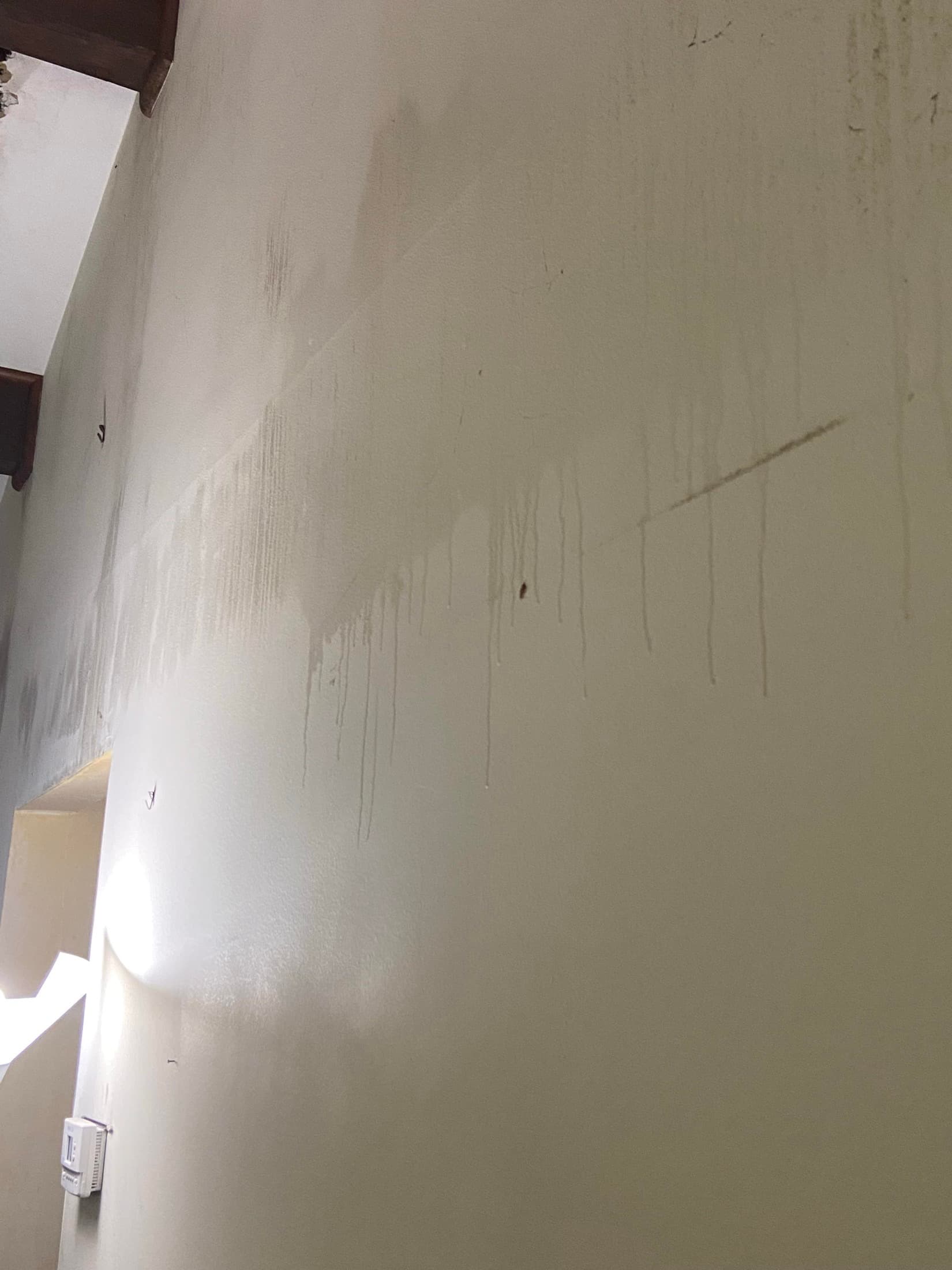
What to Do in the First 24 Hours After Water Damage
RestorationEvery hour counts after a water intrusion event. Learn the steps to take immediately to minimize damage and prevent mold growth.
Read more →Ready to get started?
Contact us today to schedule a consultation or request an estimate for Storm Damage.